Seamless Transitions: Techniques for Combining Different Tile Styles May 28, 2026
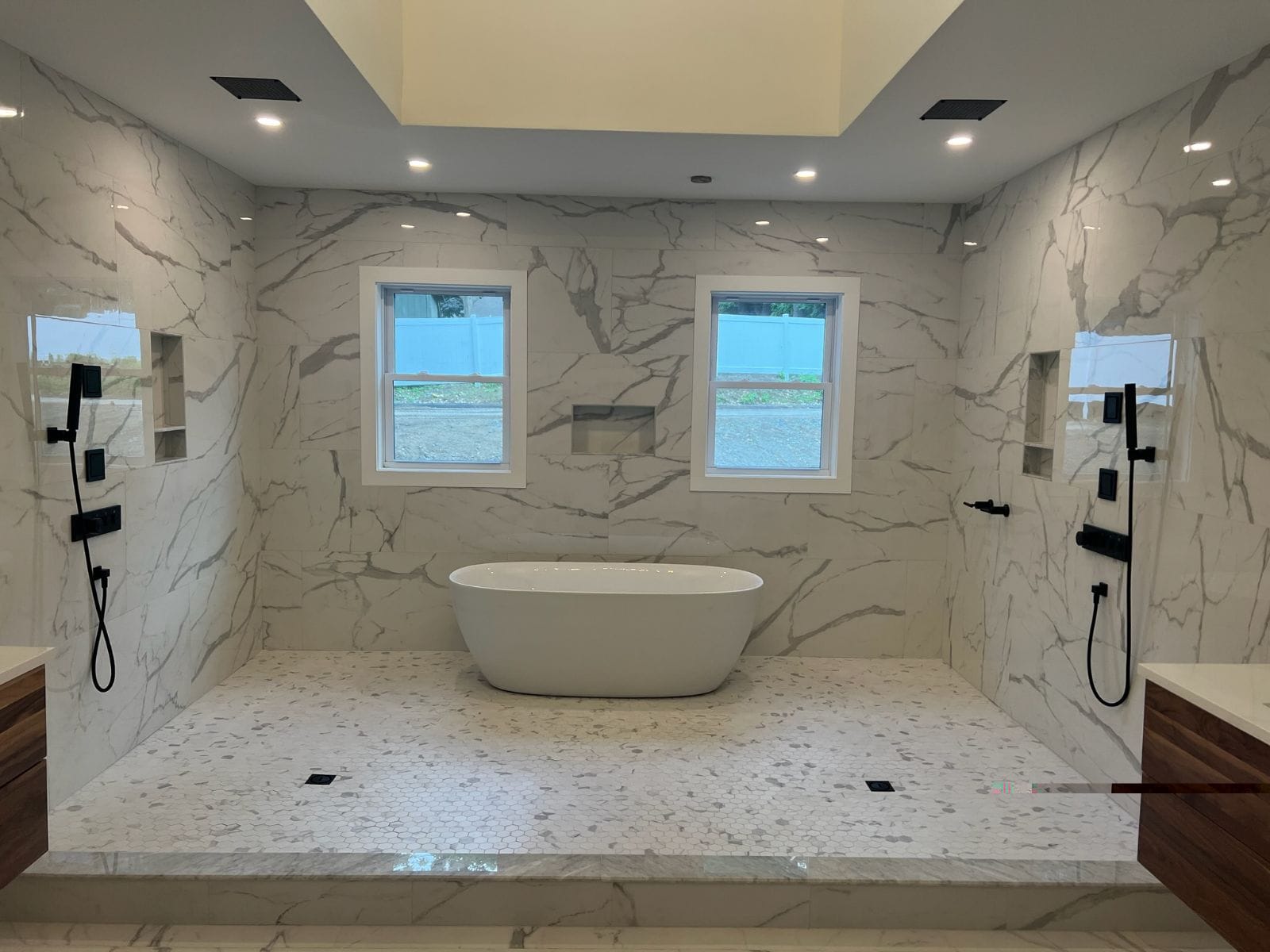
The first step to a successful tile style combination is understanding the basics of tile design. Focus on selecting tiles that complement each other in terms of color, texture, and size. While contrasting tiles can make a bold statement, it's crucial to maintain harmony across your design by choosing hues and finishes that work well together. Opt for a unified color palette in different shades, or mix materials such as glossy ceramics with natural stones to create appealing visual interest without overwhelming the space.
Transition zones play a pivotal role in blending tile styles. These are the areas where different tile patterns or materials meet. Employing transitional elements like borders or accent strips can help create a fluid, balanced flow from one tile style to another. Borders serve to delineate spaces, ensuring that even diverse styles appear intentional and cohesive. For example, a decorative trim can seamlessly connect a tiled kitchen floor with a coordinating backsplash, or separate a modern geometric pattern from a rustic stone design.
Incorporating grout strategically can further enhance tile transitions. The choice of grout color and thickness can dramatically influence the overall appearance of a tiled area. Matching grout to one of the dominant colors in your tiles can unify the design, whereas a contrasting grout can highlight unique designs and create a striking effect. Properly applied, grout can unify disparate tile styles and draw attention to distinct design elements.
Another effective technique is to create a feature zone where a specific tile style can shine as the focal point of a room. Feature zones work wonders in areas such as shower walls, kitchen backsplashes, and fireplace surrounds. By concentrating a vibrant patterned tile in a dedicated area, you provide the eye with a clear focal point while allowing the rest of the room to maintain a subtle background pattern or color.
When combining different tile styles, scale is as important as color and texture. Using larger tiles on floors with smaller tiles on walls or vice versa maintains visual interest without causing clutter. Symmetry in scale can also help achieve a balanced design. For instance, using a repeating motif of small mosaic tiles against a large-format tile backdrop can enhance depth and texture without being overwhelming.
Finally, always prioritize functionality alongside design. Some tile materials are better suited for specific environments based on their durability and maintenance needs. When combining tile styles, consider the practicality of each type in terms of wear resistance and ease of cleaning, especially in high-traffic or moisture-prone areas.
In conclusion, combining different tile styles offers endless possibilities for personalized, stylish interiors. By carefully considering color, transition techniques, grout choice, focal areas, and practical utility, you can create harmonious spaces that reflect your individual style. VersaTile is here to guide you through every step, from the initial design choices to the expert installation, ensuring your tile project is nothing short of spectacular. Let your creativity run free and see how combining tile styles can transform your home's aesthetic.
/filters:no_upscale()/filters:format(webp)/media/c2f7429a-8fcc-42bb-9f5c-9b67666be188.jpeg)