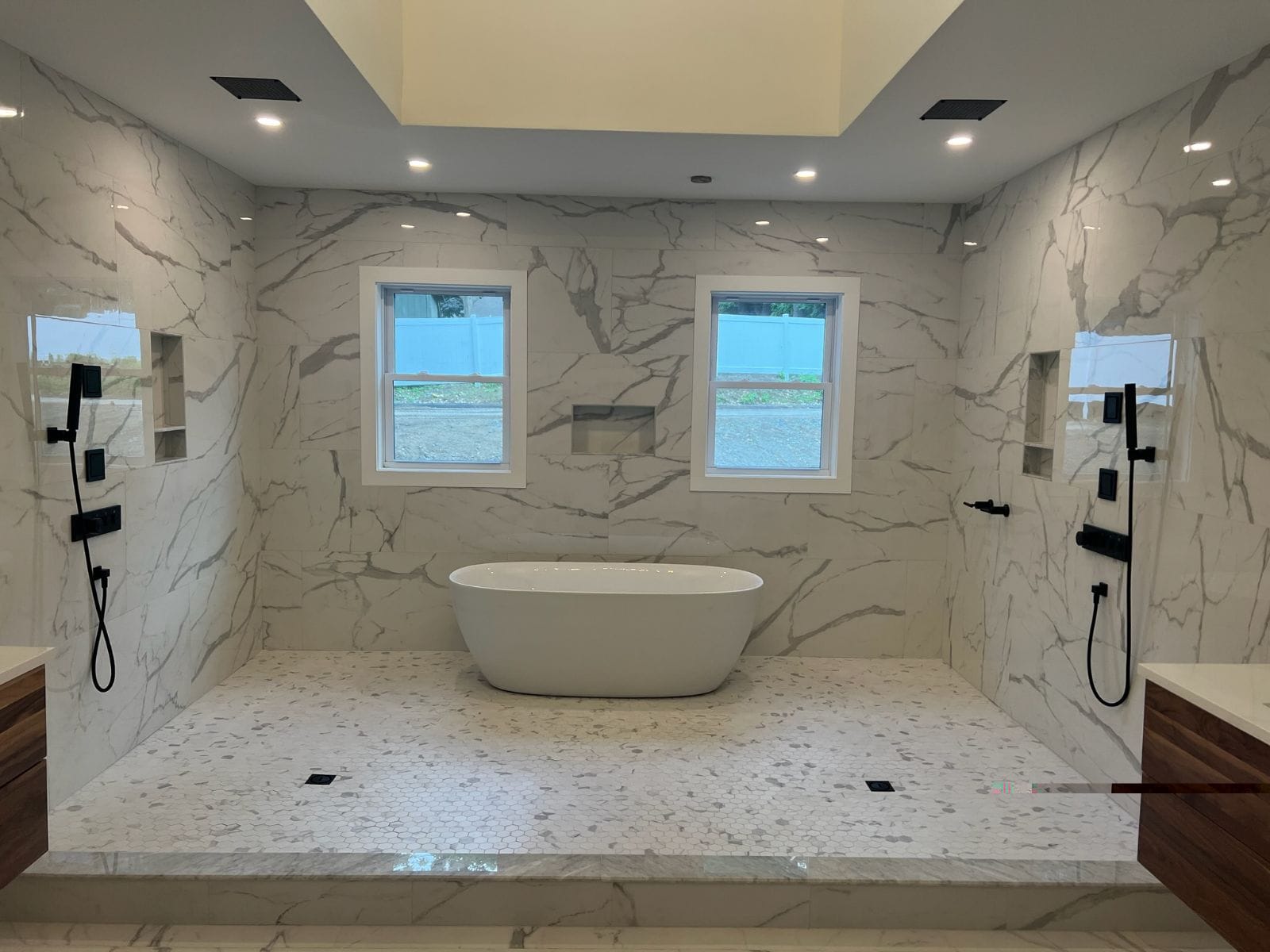
Sculptural Surfaces: Using Texture to Add Dimension to Your Tiling Projects Jun 07, 2026
When it comes to tiling, texture is an often-overlooked element that can add depth and interest to any surface. Texture in tiling can be achieved through the choice of materials, the finish of the tile, and even the way tiles are laid. This diversity allows homeowners and designers alike to create a stylistic narrative that speaks to the individuality of the space.
Start by considering the material. Natural stone, ceramic, porcelain, and glass each bring unique textures to the table. For example, the rough, uneven surface of unpolished natural stone tiles can add an earthy, organic feel that resonates with contemporary and rustic aesthetics alike. On the other hand, the sleek, smooth surface of glass tiles can provide a modern, polished look perfect for minimalist designs. Understanding the inherent qualities of these materials is the first step in creating visually engaging sculptural surfaces.
Next, consider the finish of your tiles. Glossy tiles reflect more light, making spaces feel brighter and more spacious, which is ideal for smaller rooms or areas with limited natural light. Matte or honed finishes, however, can add a subdued elegance and a touch of sophistication to larger, more open areas. When paired strategically, different finishes can complement one another, allowing you to highlight specific areas of your design or create a dynamic interplay of light and shadow.
The pattern in which tiles are laid also contributes significantly to the texture of a tiled surface. Traditional methods like brick patterns or herringbone can give your space a classic feel, whereas more unconventional layouts such as chevrons or basketweaves can introduce an unexpected twist. Placing tiles in varied patterns can break the monotony and create moving surfaces that draw the eye.
Color, often considered separate from texture, intertwines smoothly when selecting tiles. Opt for varying shades and tones within a single color palette to add visual interest without relying solely on pattern or material. This monochromatic depth can lead to a seamless, sophisticated look that is rich in texture but simple in execution.
It's essential to remember that while incorporating texture is beneficial, balance is key. Too much texture can overwhelm a space and detract from the overall harmony of the design. At VersaTile, we encourage combining textured and smooth surfaces strategically for a balanced and cohesive look. For instance, a textured feature wall may be nicely offset by smooth floors or countertops, ensuring that each component of your design has a chance to shine.
In closing, adding texture to your tiling projects is a powerful way to enhance dimension and create standout surfaces. By thoughtfully selecting materials, finishes, colors, and patterns, you can craft designs that are as tactile as they are visually appealing. At VersaTile, we are committed to helping you realize your vision with our expert guidance and comprehensive range of tiling options. Turn your next home renovation into a narrative of artistry and texture with our versatile solutions. Embrace the sculptural potential of your surfaces, and transform your space into a true masterpiece.
/filters:no_upscale()/filters:format(webp)/media/c2f7429a-8fcc-42bb-9f5c-9b67666be188.jpeg)