Crafting Cohesion: How Tile Choices Can Create Visual Flow in Open Spaces Dec 29, 2025
When designing an open space, the goal is to ensure each area feels connected without losing functionality. One effective way to accomplish this is through the careful selection of tiles. Tiles, with their diverse range of textures, colors, and materials, offer endless possibilities for crafting visual flow and cohesion.
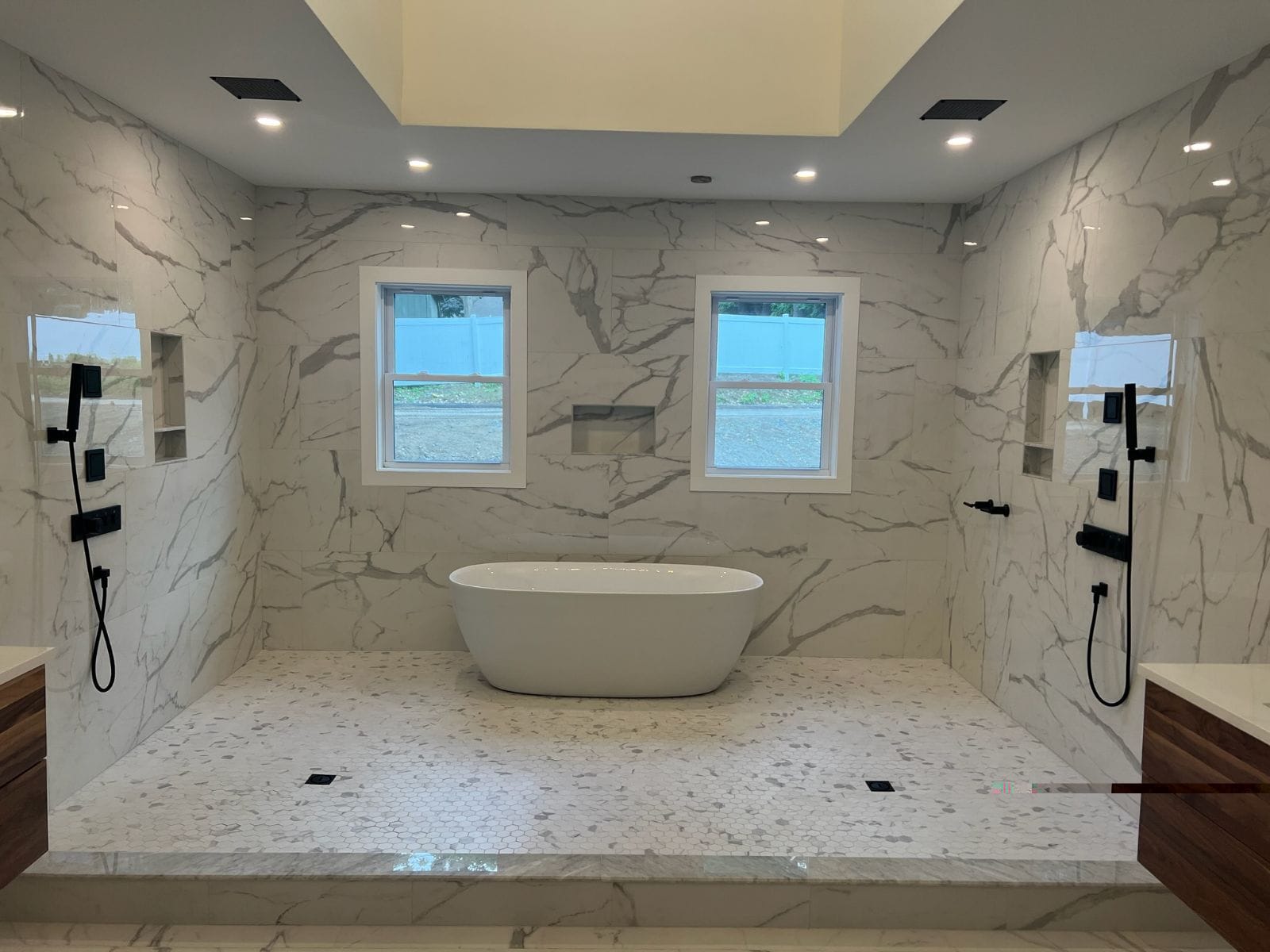
Start by considering the color palette. Light, neutral tones such as whites, creams, and soft grays are popular choices as they amplify space and bring a clean, sophisticated look. These hues reflect light well, making areas appear more open. Additionally, neutral tones allow for flexibility in changing decor themes with minimal effort. However, do not shy away from bolder colors if they fit your space’s personality—just ensure that they are used consistently to avoid disrupting the flow.
Texture and material are equally important when selecting tiles for open spaces. Porcelain and ceramic tiles are common due to their durability and variety. Textured tiles can add depth and interest without overwhelming the space. Consider a matte finish for a contemporary feel or opt for polished tiles to enhance light reflection. Mixing textures can work if done judiciously—perhaps using matte for floors and glossy for walls—but aim to maintain a balance to avoid visual chaos.
Another pivotal aspect is tile size. Larger tiles are often preferable in open spaces as they reduce the number of grout lines, creating a more cohesive look. This is especially effective in connecting areas like kitchens and living rooms where continuity of design is desired. For those looking to add a dynamic touch without sacrificing flow, patterned tiles can serve as accents when used sparingly, drawing eyes to specific areas like a central fireplace or an island in the kitchen.
Transitioning between different areas within an open space doesn’t have to be tricky with the right tile choices. As you move from one zone to another, use complementary tile patterns or materials to subtly differentiate spaces without losing cohesion. For instance, a soft shift from a herringbone pattern in the dining area to a plain set in the living room can delineate spaces while preserving the overall design consistency.
Moreover, grout color should not be an afterthought. Opt for a grout color that complements the tile rather than contrasts it. A close color match between tiles and grout helps maintain a seamless look and makes spaces feel uninterrupted.
In conclusion, crafting cohesion in an open space hinges on making considered choices with tiles. A harmonious blend of color, texture, size, and pattern can create a beautiful flow, fostering an inviting and expansive atmosphere. At VersaTile, we believe in the power of the right tile choice to transform your open spaces into beautifully connected areas that reflect personal style and functionality. So whether rolling out your next renovation or exploring new home designs, remember that cohesive tile choices will help you achieve the seamless flow your open space deserves.
/filters:no_upscale()/filters:format(webp)/media/c2f7429a-8fcc-42bb-9f5c-9b67666be188.jpeg)